Is Workday Adaptive Planning the Right FP&A Solution for Your Business?
Take This Quick Quiz to Find Out!
Key Takeaways
- Cloud-Based CPM Platform: Workday Adaptive Planning (formerly Adaptive Insights) is a cloud-native corporate performance management solution designed to automate financial planning, budgeting, forecasting, and reporting processes beyond traditional spreadsheets.
- AI-Powered Forecasting: The platform leverages AI and machine learning to analyze historical data, identify trends, detect anomalies, and generate statistically backed forecast baselines for improved accuracy.
- ERP-Agnostic Integration: It integrates seamlessly with various ERP systems including NetSuite, SAP, Oracle, Sage Intacct, and Salesforce through pre-built connectors and flexible APIs.
- Enterprise-Focused Solution: Best suited for mid-sized to large enterprises with complex financial planning needs, not ideal for small businesses due to premium pricing and implementation complexity.
- Implementation Investment Required: Successful deployment typically takes several months to six months, requiring professional services or certified partners for configuration, data integration, and user training.
Navigating the complex landscape of financial planning and analysis (FP&A) software can be challenging for finance professionals. This comprehensive FAQ guide answers the most critical questions about Workday Adaptive Planning, helping you determine if this enterprise-grade platform aligns with your organization’s strategic planning needs and technical requirements.
What is Adaptive Insights (Workday Adaptive Planning) and what does it do?
Adaptive Insights, now officially known as Workday Adaptive Planning, is a cloud-based corporate performance management (CPM) platform designed to streamline and automate financial planning, budgeting, forecasting, and reporting processes.
Unlike traditional spreadsheet-based systems that are prone to errors and inefficiencies, Adaptive Insights provides a centralized, intelligent environment for finance teams and business leaders to collaborate in real time.
Leveraging AI and machine learning, the platform helps users create more accurate, driver-based financial models and scenario analyses, enabling dynamic “what-if” planning that adjusts with changing business conditions.
Key features include flexible financial modeling, rolling forecasts, workforce and sales planning, and integrated reporting dashboards.
By pulling data from ERP, CRM, and HR systems, Adaptive Insights offers a single source of truth that supports data-driven decision-making at all organizational levels.
This results in faster, more agile financial processes that save time, reduce risk, and improve insight into profitability and cash flow. For finance teams aiming to replace manual spreadsheets with a modern, automated FP&A solution, Workday Adaptive Planning overview and features delivers strategic foresight and collaboration across departments.
Who is the ideal user of Adaptive Insights (Workday Adaptive Planning)?
Workday Adaptive Planning is primarily designed for mid-sized to large enterprises with complex financial planning needs.
Typical users include CFOs, finance managers, and FP&A professionals who require dynamic budgeting, forecasting, and scenario analysis capabilities beyond what spreadsheets or basic accounting software can provide.
The platform is particularly valuable for organizations facing rapidly changing market conditions, multiple business units, or sophisticated driver-based models.
Industries such as technology, healthcare, manufacturing, and non-profits benefit from its real-time collaboration and flexible modeling engine.
While small businesses can technically adopt it, Adaptive Insights’ robust features and premium pricing generally make it more suitable for organizations with significant revenue, multiple departments, and the need for integrated financial and operational planning.
It is less intended for simple bookkeeping or pure transactional accounting and more as a strategic tool for proactive financial management and long-term growth planning.
How does Adaptive Insights (Workday Adaptive Planning) differ from traditional accounting software like QuickBooks or NetSuite?
The core distinction is that traditional accounting software is retrospective, focused on recording and reporting historical financial transactions, whereas Adaptive Insights is prospective and strategic, designed for forward-looking planning and analysis.
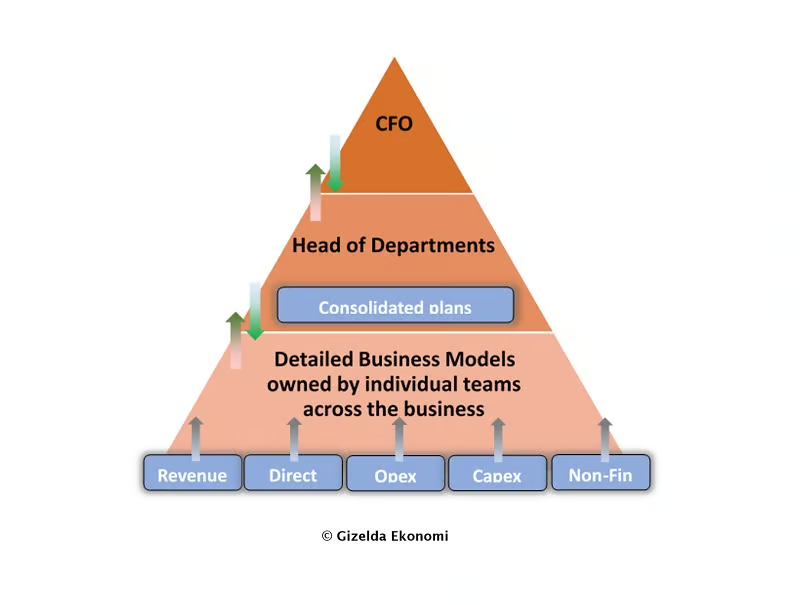
Accounting systems such as QuickBooks and NetSuite serve as systems of record, managing general ledger entries, accounts payable and receivable, and compliance reporting.
They reliably track what has happened in the past but offer limited tools for predicting future financial outcomes.
In contrast, Workday Adaptive Planning functions as a system of engagement that takes historical data from these accounting platforms (via integrations) and uses it to build detailed budgets, long-range forecasts, and multi-scenario analyses.
It provides financial teams with the ability to model “what-if” scenarios, evaluate the implications of changes in revenue drivers or expenses, and adjust plans dynamically in response to shifting business conditions.
For example, it can incorporate headcount changes or pricing strategy impacts to forecast future profitability.
Put simply: your accounting software tells you how you performed last quarter; Adaptive Insights helps you plan and anticipate your financial performance for the coming quarters and years.
For deeper insights, explore this comprehensive Adaptive Insights review for FP&A.
What are the AI and machine learning features within Adaptive Insights (Workday Adaptive Planning)?
Workday Adaptive Planning integrates AI and machine learning primarily through its Intelligent Planning capabilities, designed to boost forecasting accuracy and efficiency.
The AI engine analyzes historical financial and operational data from connected ERPs, CRMs, and other systems to identify trends, seasonal patterns, and statistical correlations that might be difficult for human analysts to detect alone.
It then produces statistically backed forecast baselines, which finance teams can use as starting points for their own input and adjustments.
The system also automatically flags anomalies or outliers in data entries, helping prevent errors and improving forecast reliability.
This proactive anomaly detection is critical in complex planning environments with multiple contributors.
Beyond generating predictions, Adaptive Insights supports dynamic “what-if” scenario modeling, allowing users to instantly visualize the financial impact of changes to key business drivers such as sales volume, workforce size, or product pricing.
This AI-augmented workflow transforms planning from a static, manual routine into a continuous, predictive process that aligns financial plans more closely with real-world business dynamics.
How complex is the implementation process for Adaptive Insights (Workday Adaptive Planning)?
Implementing Workday Adaptive Planning is a strategic initiative that varies widely in scope and duration depending on organizational size, complexity, data infrastructure, and planning requirements.
It is not a “plug-and-play” solution and typically involves multiple phases:
- Discovery and Design: Defining structures like chart of accounts, business units, and dimensions (e.g., departments, projects) to reflect your organization.
- Data Integration: Connecting source systems (ERP, CRM, HRIS) to automate import of actual financial and operational data. This is often the most technical phase.
- Model Development: Building driver-based budgeting, forecasting, and reporting templates leveraging the platform’s dimensional and calculation engine.
- User Training and Rollout: Equipping finance teams and business unit leaders with skills to effectively use the platform and interpret outputs.
Implementation timelines can range from several months up to six months or longer for complex enterprise projects.
Variables such as data readiness, scope of modules, customization needs, and internal resource availability greatly influence schedule.
Workday professional services or certified implementation partners typically provide guidance and support throughout this process.
Important: Prospective users should engage Workday or authorized partners early to develop a tailored implementation plan. Avoid unrealistic timeline expectations by understanding that robust configuration and training are essential to fully unlock the platform’s value.
The effort invested upfront pays dividends through enhanced agility and forecast accuracy.
Learn practical implementation strategies through Adaptive Insights tutorials and use cases.
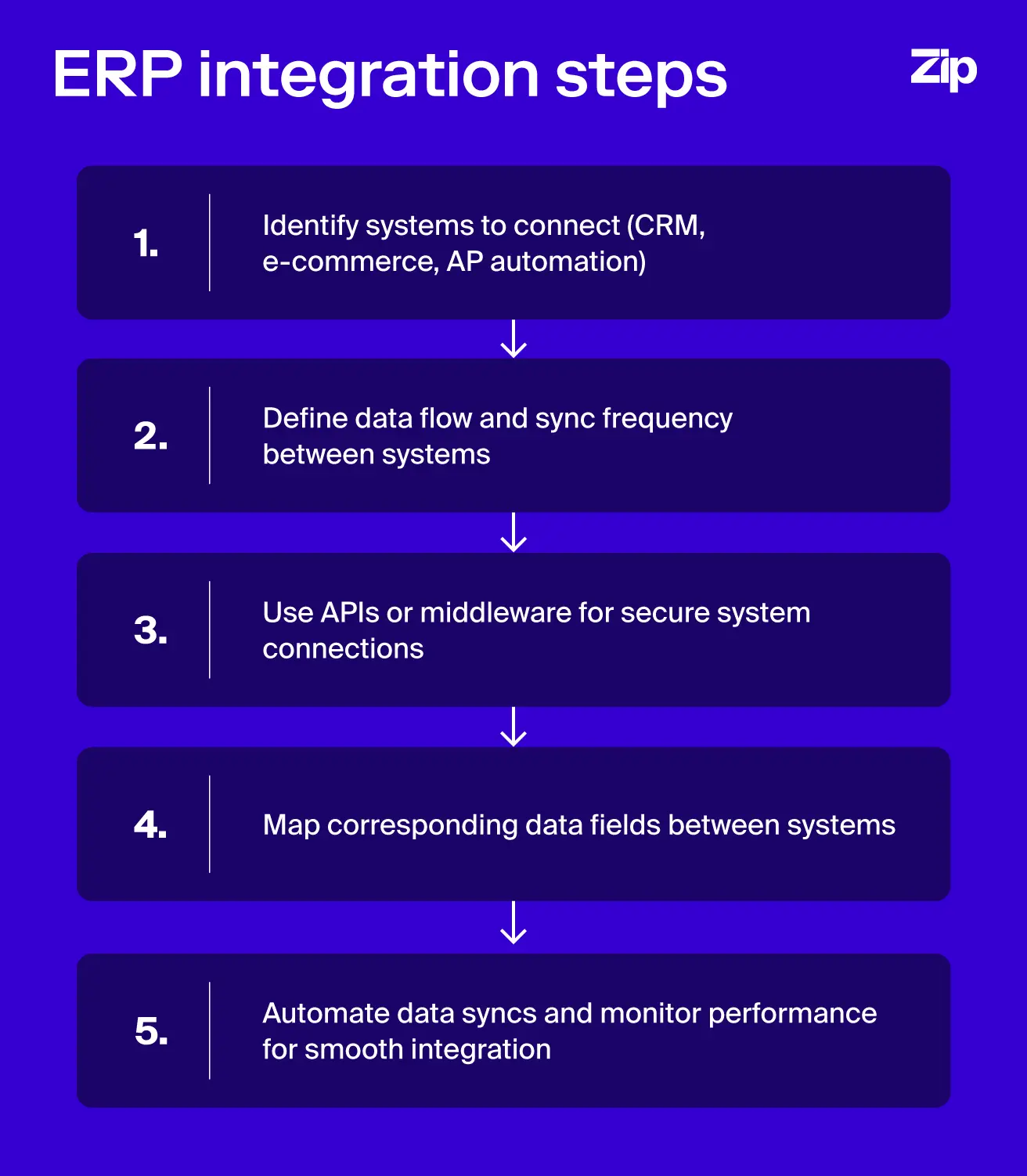
Can Adaptive Insights (Workday Adaptive Planning) integrate with non-Workday ERP systems like NetSuite, SAP, or Oracle?
Yes. Workday Adaptive Planning is designed as an ERP-agnostic planning solution that integrates seamlessly with a wide range of financial and operational systems beyond Workday’s own suite.
It offers pre-built connectors for widely used platforms such as NetSuite, Sage Intacct, Salesforce, and others, facilitating streamlined data imports and synchronization.
For ERPs like SAP, Oracle, and Microsoft Dynamics, integrations typically rely on flexible data import frameworks including API connections and automated file transfers (.CSV or XML).
This flexibility enables organizations to continue leveraging their existing transactional systems while enriching their forward-looking financial models with real-time actuals and operational data.
This ERP-agnostic approach is a major advantage, allowing finance teams to unify disparate data sources and maintain a single source of truth without costly rip-and-replace initiatives.
It supports robust variance reporting and scenario planning rooted in reliable historical information, improving forecast accuracy and financial insight.
What are the biggest limitations of Adaptive Insights (Workday Adaptive Planning)?
While Workday Adaptive Planning is a robust FP&A platform, it has a few notable limitations:
- Reporting and Visualization: Although it provides solid financial reports and dashboards, its visualization capabilities are generally less visually sophisticated than dedicated business intelligence tools like Tableau or Power BI. Users seeking highly customized, graphic-rich visual analytics often supplement Adaptive Insights with third-party BI platforms.
- Learning Curve: The platform’s powerful and flexible modeling engine requires significant training and experience. Mastering complex model building, administration, and effective workflows typically involves weeks to months of practice, so it is not ideal for users expecting quick, casual adoption.
- Cost and Suitability: Licensing and implementation costs place it firmly in the premium software category, making it less practical for small businesses or startups with simple financial operations.
- Version Management: Without disciplined governance, organizations can experience “version sprawl” as multiple “what-if” scenarios accumulate, creating confusion and performance issues. Establishing version control protocols and regular cleanup processes is essential for maintaining an organized planning environment.
In summary, while Adaptive Insights excels at enterprise-level forecasting and driver-based models, prospective customers should carefully assess internal readiness, resource commitment, and complementary BI needs before investing.
For alternative options, review the best Adaptive Insights alternatives available in the market.
How is Adaptive Insights (Workday Adaptive Planning) priced? Is there a free trial?
Workday Adaptive Planning employs a custom subscription pricing model tailored to each customer’s unique requirements.
Pricing depends on multiple factors such as:
- The chosen product modules (e.g., financial planning, workforce planning, sales planning)
- The number and types of users (standard data entry/reporting users vs. admin/model-building licenses)
- The complexity and scale of modeling and data integration needs
Because of this customization, pricing details are not publicly listed; customers must contact Workday sales representatives for official quotes.
There is no traditional free trial available. Instead, purchasing decisions are supported by personalized demos and proof-of-concept models built collaboratively during the sales process.
These demos showcase how the platform fits the buyer’s specific environment and planning challenges.
Prospective customers should prepare for both an initial licensing fee and implementation investment.
While upfront costs can be higher than simpler budgeting tools, the price reflects the platform’s enterprise-grade capabilities and potential ROI through improved forecasting accuracy and operational agility.
What kind of customer support and training is available for Adaptive Insights (Workday Adaptive Planning)?
Workday provides a comprehensive support and training ecosystem for Adaptive Planning customers.
Support is typically included in the subscription and offers access to:
- An extensive online knowledge base and community forums
- Ability to submit support tickets and receive technical assistance
- Tiered support options, including premium plans with faster response times and dedicated customer success managers
For training, Workday’s Learning Center delivers a vast range of learning resources:
- On-demand video tutorials for basic navigation and functional use
- Self-paced online courses covering modeling, administration, and advanced features
- Instructor-led virtual classes for deeper practical training
- Official certification programs for finance professionals seeking recognized credentials in Adaptive Planning administration
Additionally, a network of certified implementation partners provides tailored, on-site or remote training and consulting services.
Beyond official channels, a vibrant user community across LinkedIn, Reddit, and other platforms shares insights, best practices, and problem-solving strategies, supplementing formal support.
Is Adaptive Insights (Workday Adaptive Planning) a good choice for small businesses?
Generally, Workday Adaptive Planning is not optimal for most small businesses due to its enterprise focus, complexity, and pricing model.
Small businesses with straightforward financial operations and limited budgets often find the platform’s capabilities more extensive than necessary.
The investment in licensing and implementation can be difficult to justify if your budgeting and forecasting needs are relatively simple.
Additionally, the learning curve is steeper compared to lighter FP&A or budgeting tools.
Smaller organizations typically benefit from more affordable, user-friendly alternatives such as Jirav, Fathom, or the budgeting modules within all-in-one cloud accounting platforms like NetSuite ERP or QuickBooks Advanced.
These provide solid planning functionality with faster setup times and easier adoption while still offering significant improvements over manual spreadsheet processes.
It is important to match software complexity and cost closely to company size and financial planning maturity.
For small businesses aiming to scale, Workday Adaptive Planning may become viable later, but initially, lightweight planning tools provide better return on investment and ease of use.
Explore other powerful financial planning solutions through our guide to the best 10 AI tools for accounting and bookkeeping.
This comprehensive FAQ content is designed to help finance professionals and business leaders evaluate Workday Adaptive Planning (formerly Adaptive Insights) for their planning and analysis needs. For customized pricing, implementation timelines, and tailored consultations, please contact Workday directly or authorized partners.
For additional questions and detailed information, visit our complete Adaptive Insights FAQs page.


Leave a Reply